Rhinoplasty
Rhinoplasty
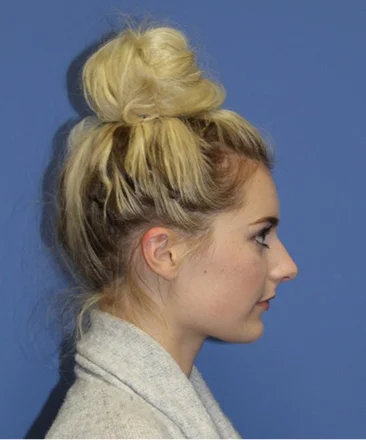
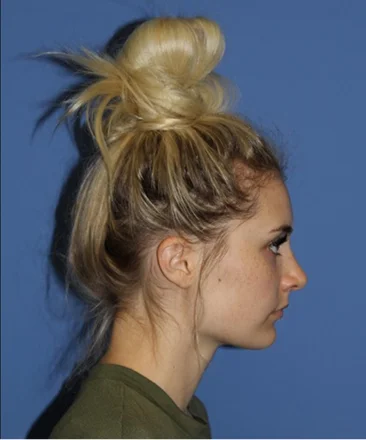
What is Rhinoplasty Surgery?
Rhinoplasty—often called a “nose job”—is a surgical procedure that reshapes the nose to create better balance with your other features, improve breathing, or both.
Some patients want to soften a bump, refine a wide or droopy tip, or straighten a crooked bridge. Others are focused on fixing an old injury or long‑standing breathing issues that make exercise and sleep harder than they should be.
Dr. John Bitner is a double‑board‑certified facial plastic surgeon who has provided rhinoplasty surgery in the Salt Lake area for over 16 years. Together, you’ll create a plan for a nose that looks natural on your face, respects your unique features, and supports healthy airflow.
Whether you’re thinking about rhinoplasty for the first time or considering revision after a previous surgery, Dr. Bitner offers honest feedback, personalized recommendations, and a calm, supportive experience from consultation through recovery.
What Can Rhinoplasty Surgery Achieve?
Rhinoplasty reshapes the nose by adjusting bone and cartilage under the skin. It can:
- Refine a hump or bump on the bridge
- Narrow or straighten a crooked nose
- Lift, refine, or reduce the nasal tip
- Adjust nostril size or shape
- Improve breathing by correcting a deviated septum or other internal blockage
Each rhinoplasty procedure is customized. Some patients need very conservative changes; others need more structural work or grafting using cartilage from the septum, ear, or rib in more complex cases.
Dr. Bitner’s Rhinoplasty Surgical Approach
During his residency and fellowship training, Dr. Bitner studied advanced rhinoplasty techniques under the guidance of internationally recognized experts. Rhinoplasty is a highly technical procedure that involves careful cartilage reshaping, precise suturing methods, and, when necessary, structural grafting — all tailored to the individual patient.
In most cases, Dr. Bitner performs rhinoplasty using incisions placed entirely within the nose. This internal approach avoids visible external scarring and can support a smooth recovery process.
In certain situations, however, greater exposure of the nasal framework is required to achieve the desired structural refinement. When this is necessary, a small incision is made at the base of the nose. While this incision is visible early in healing, it typically fades well and becomes minimally noticeable over time.
The choice of surgical approach is determined on a case-by-case basis, guided by each patient’s anatomy, goals, and the level of precision required to achieve a balanced, natural-looking result.
Recovery After Nose Surgery
Rhinoplasty recovery is typically well-tolerated and more comfortable than many patients anticipate. Most individuals plan for approximately one week of social downtime, allowing for initial swelling and bruising to subside.
While significant pain is uncommon, temporary nasal congestion is expected. As internal swelling develops during the early healing phase, breathing through the nose can feel restricted. Dr. Bitner does not use traditional nasal packing, which enhances comfort; however, natural swelling and tissue inflammation can still create a sensation of fullness for several days.
Bruising around the eyes is common, particularly when precise adjustments to the nasal bones are performed. This bruising generally softens within the first week and continues to fade over the following one to two weeks.
Following surgery, a delicate external splint may be placed to protect and support the newly refined nasal structure. In some cases, thin internal splints may also be used for additional stabilization. All internal sutures are dissolvable. At approximately one week, patients return to the office for removal of the splint and any supports.
At this stage, the nose will still appear swollen — often slightly fuller than the final outcome — yet it should look natural with your features. As healing progresses, swelling continues to resolve gradually, revealing increasing refinement and definition over time. While breathing typically improves once the splint is removed, mild congestion may persist for several additional weeks as tissues settle.
What to Expect
- First week:
- A small external splint often stays on the nose for about 7–10 days.
- Expect swelling, congestion, and some bruising around the eyes.
- Most patients feel ready for light activities and work‑from‑home within a few days, but prefer to wait until bruising fades before being very public.
- Weeks 2–4:
- Bruising usually fades.
- Swelling reduces noticeably, and you start to see early changes in your nose.
- Many patients feel comfortable returning to work, school, and social activities.
- Months 3–12:
- Swelling continues to settle, especially at the tip.
- The final shape refines slowly over the first year.
Throughout the recovery process, Dr. Bitner and his team provide attentive follow-up care, detailed aftercare guidance, and personalized recommendations regarding exercise, travel, and return to more strenuous activity. Every aspect of your healing experience is carefully supported to ensure both comfort and optimal aesthetic outcome.
Cosmetic and Functional Benefits
Many people think of rhinoplasty as purely cosmetic, but form and function are closely linked. A well‑done nose surgery can:
- Improve facial balance and symmetry
- Soften or refine features that feel too strong in photos or in profile
- Help air move more easily through the nose, reducing mouth breathing, snoring, or chronic congestion
During your consultation, Dr. Bitner will ask what bothers you most and whether you have any breathing problems or sinus issues. That way, he can address both appearance and airflow in the same operation when appropriate.
Possible Risks and Complications of Rhinoplasty
Rhinoplasty is generally a safe and well-tolerated procedure and is performed in Dr. Bitner’s AAAASF-certified, office-based surgical suite. The vast majority of patients heal well and are pleased with both the cosmetic and functional improvements achieved.
As with any surgical procedure, however, there are inherent risks. Surgery involves many variables, and outcomes can never be guaranteed. While complications are uncommon, potential risks may include bleeding, infection, delayed healing, internal or external scarring, persistent or worsened nasal obstruction, dissatisfaction with cosmetic appearance, septal perforation, graft or implant visibility, and the possible need for revision surgery. Rare but serious complications — including adverse reactions to anesthesia — can occur.
During your consultation, Dr. Bitner will review relevant risks in detail and discuss realistic expectations based on your anatomy and surgical goals. Prior to surgery, you will have a dedicated preoperative appointment where consent forms are reviewed. These documents outline the procedure, associated risks, and important safety information.
How Dr. Bitner Personalizes Your Rhinoplasty
Rhinoplasty is one of the most detail‑oriented procedures in facial plastic surgery. Small adjustments can make a big difference. Dr. Bitner focuses his practice on the face, head, and neck, and he has extensive experience with both primary rhinoplasty and revision cases.
Here’s what you can expect working with him:
- Time to share your goals, concerns, and photos of noses you like
- A careful examination of both the outside and inside of your nose, including a breathing assessment
- A plan designed to keep your nose in harmony with your other facial features
Many patients appreciate that Dr. Bitner aims for natural‑looking results. His goal is for your nose to fit your face so well that people notice you, not your surgery.
Rhinoplasty Cost
Rhinoplasty pricing is individualized and depends on the specifics of your procedure. Costs may vary based on whether the surgery is primary or revision, cosmetic or functional in nature, the degree of structural refinement required, as well as anesthesia and facility fees.
Dr. Bitner’s Surgeon’s fees for rhinoplasty begin at $14,350+, with the final cost determined by surgical complexity. Pricing may also vary depending on whether this is a first-time, secondary, or tertiary rhinoplasty.
To view Dr. Bitner’s plastic surgery pricing page, please click here.
Dr. Bitner’s team will provide a detailed, written quote after your consultation so you know exactly what is included (surgeon’s fee, facility, anesthesia, and follow‑up). They can also review payment and financing options with you. Price quotes are valid for 6 months.
Will Rhinoplasty Help my Breathing?
If you have a deviated septum, valve collapse, enlarged turbinates, or other structural blockages, rhinoplasty can often be combined with functional nasal surgery to improve airflow. During your exam, Dr. Bitner will check the inside of your nose and talk with you about any breathing or sinus symptoms you have. In many cases, functional improvements may be covered differently by insurance than cosmetic changes; his team can help you sort through those details.
How Soon Will I see My Final Rhinoplasty Results?
You’ll notice a change as soon as the splint comes off, but that is still an early stage. Most of the visible swelling improves in the first few weeks, yet subtle refinement—especially at the tip—continues over 6–12 months. Dr. Bitner will review photos with you during follow‑ups so you can see how your nose is evolving over time.
Am I a Good Candidate for Rhinoplasty?
You might be a good candidate if:
- You are in good general health
- Your nose has finished growing (teens and adults)
- You have realistic goals and a clear sense of what bothers you
The best way to determine your options is through an in-person consultation with Dr. Bitner. He will go through your medical history, examine your nose, and discuss your surgical goals. For a personalized consultation, call (801) 525-8727.
Rhinoplasty FAQS
Does insurance cover the cost of a rhinoplasty?
The short answer is sometimes, but with many exceptions and exclusions. If the main complaint is nasal obstruction, has failed medical therapy and I deems the external portion of the nose as the cause of the obstruction then a request can be submitted to the insurance company to be reviewed. Photos must be taken and sent for review. If the concern is primarily cosmetic, no matter the cause, it will be denied.
How long does a “nose job” take?
If the person has never had nasal surgery before, the surgery will take somewhere between 1.5-2.5 hours. That is surgical time and doesn’t include the time needed to put the patient to sleep, numb the nose and otherwise get ready to start the procedure. Revision rhinoplasty cases can take even longer. Rest assured, I will take the time necessary to perform the operation correctly and afford someone their best possible outcome.
Do you feel anything during the surgery?
Cosmetic rhinoplasties performed in the office are done with the assistance of a CRNA. This is a medical professional who is specifically in charge of putting and keeping the patient asleep and comfortable. The CRNA will also continuously monitor the airway and vital signs to make sure the procedure is done in a safe manner. Usually this means the patient remembers nothing and awakens in the recovery area comfortable and happy.
What if I am unhappy with the look of the nose after surgery?
The first thing to understand in rhinoplasty, is that the healing process is a long one. While the majority of the swelling resolves after the first two weeks, small and subtle changes in nasal swelling continues to take place for weeks and months afterwards. Further, the healing process where scar tissue, fibrosis, scar remodeling and reformation is a process that can take up to a year. In the vast majority of cases, if someone is not happy, just wait and things will usually improve and become more and more in line with a persons preoperative expectations. Unfortunately, even with the most experienced rhinoplasty surgeons, the forces of contracture and scar remodeling that occur over time can change the nose in an unpredictable fashion. For this very reason, I use techniques which mold and contour the underlying cartilages but also provide added strength and reinforcement. This helps resist the force of contracture accompanying healing over time. I don’t perform revisions until at least a year out from surgery. This is rarely necessary. On the other hand, a fair number of my patients come just for revision rhinoplasty. This is personally a very gratifying part of my practice.