

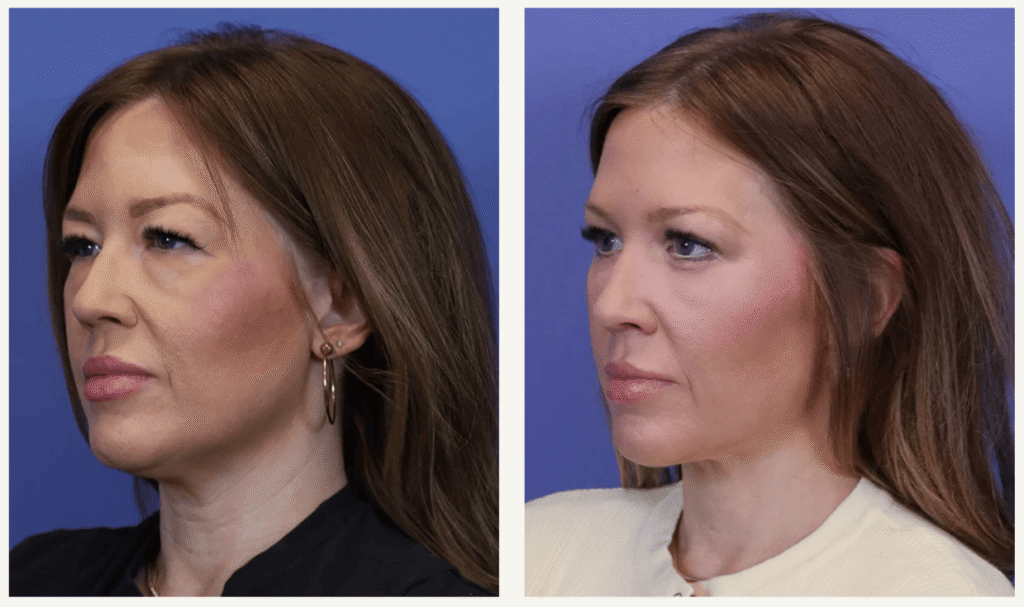
Eyelid surgery changes faces in a quiet, meaningful way. Unlike more dramatic procedures, the results tend to look natural — a more rested, refreshed version of yourself rather than an obviously altered one. Patients who go through it often say it was one of the best decisions they made. They say something else too: there’s a list of things they wish someone had told them before they booked their first consultation.
Here are seven of those lessons — and why finding the right surgical practice shapes every single one of them.
1. Board Certification in Facial Plastic Surgery Is Not the Same as General Plastic Surgery
This distinction surprises a lot of patients. Surgeons who perform blepharoplasty Utah procedures may come from very different training backgrounds. Some are general plastic surgeons. Some are oculoplastic surgeons. Some are board-certified facial plastic surgeons. Each has a different area of focus, and those differences tend to show up in outcomes.
A board-certified facial plastic surgeon has completed residency and fellowship training focused exclusively on the face, head, and neck — not the body as a whole. That level of concentration matters enormously when the procedure involves structures as delicate as eyelids. Before scheduling anywhere, ask directly about board certification and the specific fellowship training your surgeon completed.
2. The Eyelid Procedure You Need Depends on Your Anatomy — Not Just Your Age
Many patients assume eyelid surgery is age-dependent. The reality is more nuanced. Some patients in their early 40s have significant upper eyelid hooding rooted in genetics. Others in their 60s have minimal laxity and may not be strong candidates at all. The eyelid procedure appropriate for you is determined by anatomy, not a number on a birth certificate.
Upper eyelid surgery addresses excess skin and fatty deposits above the eye. Lower eyelid surgery targets under-eye bags, hollows, and loose skin below the lash line. Some patients are candidates for both. A few may benefit from combining eyelid surgery with a brow lift for complete upper-face rejuvenation. The only way to know what’s actually indicated for your situation is through a thorough in-person evaluation.
3. Recovery Takes Longer Than Most Patients Expect — and That’s Normal
Swelling and bruising are standard after eyelid surgery and typically peak around the third day post-op. Most patients feel comfortable going out in public — often with sunglasses — somewhere between the ten-day and two-week mark. Full, settled results can take three to six months to appear as the tissues stabilize and residual swelling clears.
Research published through the National Institutes of Health found that patient satisfaction following eyelid surgery is consistently high, with outcomes strongest among patients who received thorough pre-operative counseling and had clear expectations set before surgery. Practices that take time to walk patients through what recovery actually looks like — day by day, week by week — produce measurably better patient experiences than those who gloss over the details.
The lesson: ask your surgeon’s office what recovery will look like in real, specific terms before you commit to a procedure date.
4. Functional and Cosmetic Goals Are Both Legitimate
Upper eyelid drooping — clinically called ptosis — can obstruct the upper visual field and create genuine daily interference, from reading to driving to recognizing faces across the room. In cases where vision is measurably impaired, eyelid surgery may qualify as a functional procedure and be partially or fully covered by insurance.
The National Eye Institute notes that ptosis can affect one or both eyes and range from mild to severe, with surgical correction as the primary treatment when the condition meaningfully interferes with vision or quality of life.
Patients pursuing surgery for purely cosmetic reasons are equally valid. A good practice treats both types of goals with the same level of clinical care and honest communication. You shouldn’t feel like you need a medical justification to address something that affects how you see yourself every day.
5. Choosing the Right Surgeon Is the Single Most Important Decision You’ll Make
Selecting a facial plastic surgeon Salt Lake City residents can rely on takes more than a quick search and a look at a few before-and-after photos. Read reviews with attention to how the practice communicates throughout the process, not just the final results. Ask whether the surgeon who conducts your consultation is the same surgeon who will perform your procedure. Ask about surgical volume specific to eyelid surgery — not just facial procedures overall.
Patients who selected their surgeon based primarily on price are disproportionately represented among those later seeking revision surgery. The money saved on the front end rarely offsets the physical and financial cost of correcting a poor outcome. Revision eyelid surgery is more complicated than primary surgery, carries higher risks, and produces less predictable results. Getting it right the first time is not a luxury — it’s the goal.
6. The Practice Environment Shapes Your Outcome as Much as the Procedure Itself
Surgical results are shaped by more than the surgeon’s technique. The thoroughness of your pre-operative assessment, the clarity of post-operative instructions, and the availability of staff when questions come up during recovery — all of it contributes to your experience and your final result.
Patients who felt consistently well-supported from consultation through recovery report higher satisfaction, regardless of how straightforward or complex their procedure was. Patients researching plastic surgery Utah options frequently point to the quality of communication and follow-up care as a deciding factor in how they ultimately feel about their choice of practice.
Pay attention during your consultation to how your questions are answered. Are you receiving honest, specific information or comfortable generalities? Is the surgeon upfront about what the procedure can and cannot realistically accomplish for you? Those signals tell you everything about what your experience as a patient will look like.
7. Combining Procedures Can Maximize Results — When the Reasoning Is Sound
Eyelid surgery is sometimes performed alongside other facial procedures — brow lifts, facelifts, or skin resurfacing — for patients seeking broader rejuvenation. Combining procedures can make practical sense from both a recovery timeline and results standpoint. The decision, though, should be driven by clinical reasoning, not a practice’s interest in a larger case.
A qualified facial plastic surgery Utah practice will tell you clearly when combination surgery is genuinely appropriate for your goals and anatomy — and when it isn’t. The right answer isn’t always more. A focused, single-procedure plan is sometimes exactly what a patient needs to reach the outcome they came in looking for.
Finding a Practice You Can Trust
All seven of these lessons point toward one conclusion: the practice you choose determines your experience at every step. From the first phone call to the final follow-up, every detail — how your questions are answered, how your recovery is managed, how your results are assessed over time — reflects the people you chose to work with and who you can trust.
Patients across Salt Lake City and throughout the state have found the communication, the surgical outcomes, and the level of care they were looking for at Bitner Facial Plastic Surgery. Whether you’re exploring eyelid surgery for the first time or seeking a second opinion after a previous consultation, the team at Bitner Facial Plastic Surgery is ready to give you a clear, honest picture of what’s possible for you.
Take the Next Step Today
Getting the answers you need is straightforward. Reach out to Bitner Facial Plastic Surgery through any of the following:
Call (801) 525-8727 to speak with a team member and schedule your consultation at a time that works for you.
Chat with us online for quick answers to your initial questions — no commitment required.
Fill out the contact form on the website to request an appointment at your convenience.
Your consultation is where it all starts — and the team at Bitner Facial Plastic Surgery is here to make sure every question you have gets a real, complete answer.